Tools Required for Routine Maintenance of Surveillance Systems
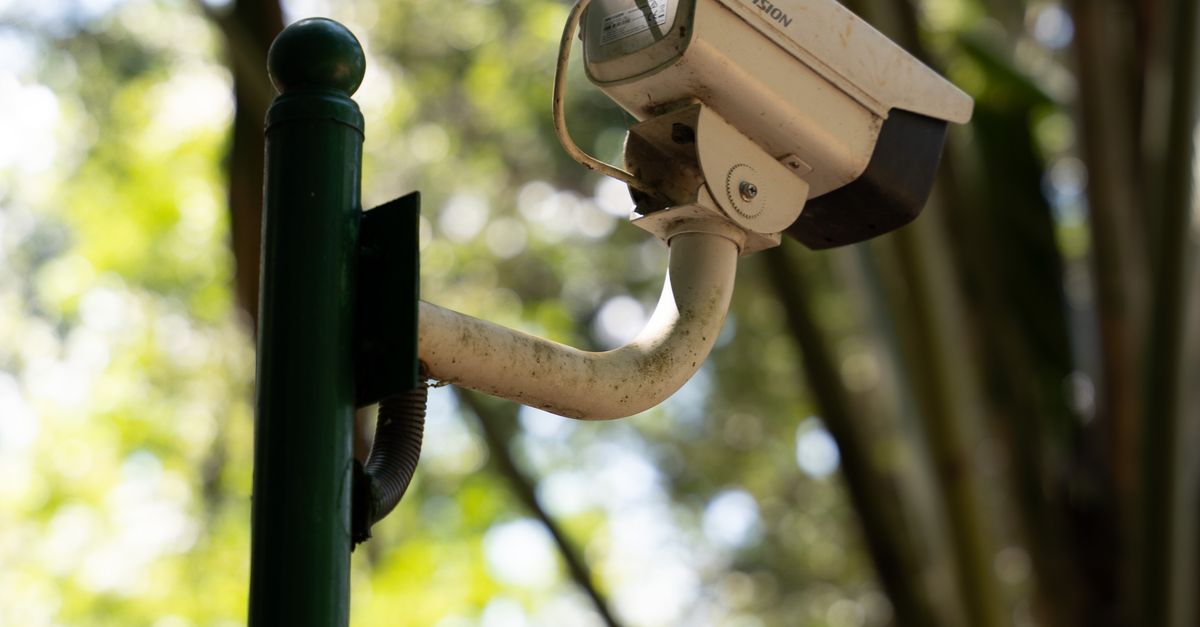
Table Of Contents
Mounting Hardware Essentials
The effectiveness of a surveillance system is significantly influenced by the quality of its mounting hardware. Proper mounting ensures that cameras are positioned for optimal coverage and stability, thereby minimising blind spots. Different environments may require specific mounting solutions, such as wall mounts, ceiling mounts, or pole mounts. Selecting the right type of hardware not only enhances the functionality of the surveillance system but also helps in adapting to various architectural and environmental challenges.
Durability and weather resistance should be key considerations when choosing mounting hardware, especially for outdoor installations. High-quality materials, such as stainless steel or robust plastic compounds, contribute to long-term performance and reliability. Additionally, ease of installation is another factor to keep in mind. Hardware that facilitates quick setup reduces labour time and potential complications, ensuring that the surveillance system remains operational with minimal disruption.
Different Types of Mounts
Mounting hardware plays a crucial role in the effectiveness of surveillance systems. Options range from wall mounts to ceiling mounts, providing versatility based on the desired coverage area. Wall mounts are commonly used for fixed cameras, allowing for adjustable angles to monitor specific locations effectively. Ceiling mounts can be advantageous in crowded spaces, as they enhance the camera's field of view while diminishing the risk of tampering.
Specialised mounts, such as pole or corner mounts, cater to more specific needs. Pole mounts are suitable for installations in outdoor areas or large open spaces, enabling cameras to achieve higher vantage points. Corner mounts excel in utilising often-overlooked angles, enhancing overall surveillance efficacy. Understanding the different types of mounts available ensures optimal camera placement, which is essential for security and monitoring success.
Software for Monitoring and Maintenance
Surveillance management software plays a crucial role in the effectiveness and reliability of surveillance systems. These applications enable users to monitor live feeds, playback recorded footage, and manage multiple camera feeds from a single interface. Advanced features often include motion detection alerts and remote access capabilities, making it easier for security staff to respond to incidents in real-time.
In addition to live monitoring, such software assists in system maintenance. Regular updates and health checks can be scheduled, ensuring optimal performance of all devices within the network. Furthermore, reporting features provide insights into system efficacy and highlight areas needing attention, thereby enhancing the overall security infrastructure.
Benefits of Surveillance Management Software
Surveillance management software streamlines the monitoring process, enabling security personnel to efficiently manage multiple camera feeds with ease. This consolidated approach not only enhances response times during incidents but also allows for a more thorough overview of security operations. The ability to access historical footage and live streams from a single interface simplifies decision-making and can significantly reduce reaction times in emergencies.
Additionally, these software solutions often come with advanced features such as motion detection and alert systems, which further enhance the security protocols of an establishment. With the integration of analytics tools, users gain deeper insights into patterns and anomalies within the surveillance data. Implementing effective surveillance management software can ultimately lead to improved resource allocation and a more proactive security posture.
Network Configuration Tools
Effective surveillance systems rely heavily on robust network configuration tools. These tools facilitate the proper setup and optimisation of network devices, ensuring seamless connectivity and communication between cameras, recorders, and monitoring stations. A well-structured network enhances the performance of surveillance systems, allowing for efficient data transmission and reducing latency. By using configuration tools, users can easily manage IP addresses, set up VLANs, and implement Quality of Service (QoS) protocols, which are critical for prioritising video traffic over the network.
Monitoring network performance is another essential aspect of maintaining an effective surveillance system. Network analyzers play a vital role in this process, offering insights into bandwidth usage, latency, and packet loss. These tools enable technicians to identify bottlenecks or vulnerabilities that could compromise the integrity of the surveillance setup. Regular monitoring and configuration adjustment not only enhance system reliability but also provide early warnings of potential issues, helping to avert costly downtime or data loss. Through the integration of these tools, surveillance systems can remain functional and effective for both security and operational needs.
Importance of Network Analyzers
Effective surveillance systems rely heavily on robust network connectivity. Network analyzers play a vital role in assessing the performance and reliability of these connections. They detect bottlenecks, latency issues, and packet loss, ensuring the smooth transmission of video feeds and data. By analysing network traffic in real-time, these tools help administrators understand the health of their systems and make informed decisions regarding upgrades or troubleshooting.
Regular utilisation of network analyzers contributes to proactive maintenance strategies. Identifying potential vulnerabilities before they escalate into significant problems can save time and resources. This proactive approach not only enhances the overall performance of surveillance systems but also ensures that critical security measures operate seamlessly. Furthermore, understanding bandwidth requirements aids in efficient network planning, which is essential for supporting future expansions or additional surveillance installations.
FAQS
What are the essential mounting hardware tools needed for surveillance systems?
Essential mounting hardware tools include brackets, screws, anchors, and various mounts designed to hold cameras securely in place, ensuring optimal positioning for surveillance.
What types of mounts are available for surveillance cameras?
There are several types of mounts available, including wall mounts, ceiling mounts, pendant mounts, and pole mounts, each suited for different installation environments and camera types.
Why is surveillance management software important?
Surveillance management software is crucial for effectively monitoring camera feeds, managing recorded footage, and enhancing overall security system performance through features like alerts and remote access.
What are the benefits of using surveillance management software?
Benefits include improved efficiency in monitoring, easier access to recorded footage, the ability to set up alerts for unusual activity, and streamlined management of multiple cameras and systems from a single platform.
How do network analyzers aid in the maintenance of surveillance systems?
Network analyzers help diagnose network performance issues, monitor bandwidth usage, and ensure that surveillance systems maintain optimal connectivity, which is essential for reliable video streaming and recording.
Related Links
Signs Your Security Cameras Need Routine Maintenance AttentionFrequency Recommendations for Routine Security Camera Maintenance
DIY Routine Maintenance Tips for Home Security Systems
Assessing the Effectiveness of Routine Maintenance on Security Cameras
Benefits of Professional Routine Maintenance Services for Security Cameras