Key Considerations for Selecting Fisheye Cameras
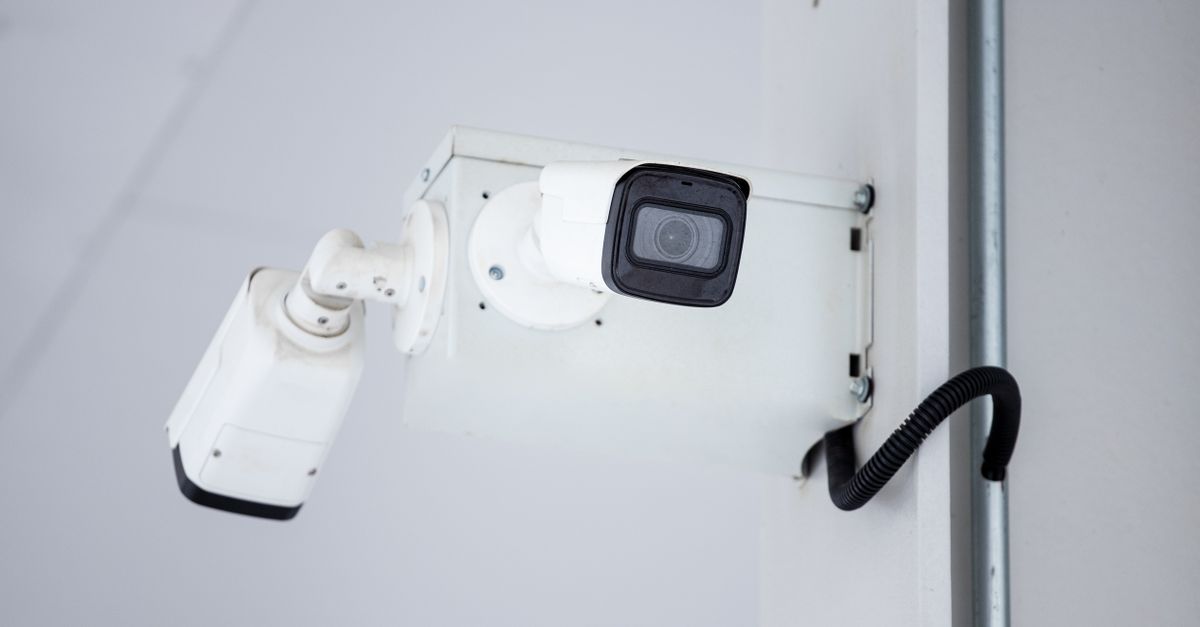
Table Of Contents
Build Quality and Durability
When choosing a fisheye camera, examining the materials used in its construction is essential. Robust materials like high-grade plastics or magnesium alloys can enhance longevity and withstand everyday wear and tear. Consideration should also be given to the overall design, as cameras with a sealed body often perform better in various environmental conditions. This is particularly crucial for outdoor use, where exposure to moisture and dust can lead to premature damage.
Weather resistance plays a significant role in a camera's durability. Models that boast water and dust-resistant ratings allow for greater flexibility in diverse shooting environments. A well-sealed camera can serve photographers in unpredictable weather, ensuring that the device remains operational regardless of the elements. This durability translates to a more reliable investment, making it important to assess how a camera’s build quality aligns with its intended use.
Materials Used and Weather Resistance
When selecting a fisheye camera, the materials used in its construction play a crucial role in determining its overall quality and longevity. Cameras made from high-quality metals and reinforced plastics tend to withstand regular wear and tear better than those made from cheaper materials. This durability is particularly important for users who plan to operate their cameras in demanding environments, where exposure to elements and potential impacts can occur.
Weather resistance is equally vital for ensuring the camera performs optimally under various conditions. Look for models that offer features such as sealed enclosures and weather-resistant materials to protect against moisture, dust, and extreme temperatures. Cameras with such protective qualities can be used confidently in outdoor settings, providing reliability and peace of mind regardless of the weather.
Compatibility with Other Equipment
Considering the integration of fisheye cameras into existing setups is vital for optimal performance. Compatibility with various equipment, including lenses, mounts, and recording devices, can significantly influence both functionality and user experience. Ensuring that the camera can easily connect with other components not only simplifies the workflow but also enhances the creative possibilities available to the user.
When selecting a fisheye camera, it's crucial to evaluate the range of mounting options and available accessories. Different setups may require specific types of mounts, whether for handheld use or for fixed installations. Understanding the compatibility with tripods, stabilisers, or gimbals ensures that the camera can be utilised effectively in various environments. Additionally, looking for camera models that offer attachments or add-ons can further expand their versatility.
Mounting Options and Accessories
When selecting fisheye cameras, the right mounting options significantly enhance their versatility. Various mounts are available, including ceiling, wall, and tripod options. Each type offers unique advantages, making it easier to install the camera in diverse environments. For instance, wall mounts allow for better field-of-view adjustments, while tripods provide portability for on-the-go usage.
Accessories can further maximise a fisheye camera's potential. Some popular additions include lens hoods to reduce glare, protective filters, and cases that enhance durability. Compatible lighting accessories can also improve image quality in low-light conditions. Each accessory plays a crucial role in tailoring the camera's functionality to specific needs, ensuring optimal performance.
Budget Considerations
When selecting a fisheye camera, understanding the financial implications is crucial. Prices can vary significantly based on the brand, features, and technology incorporated. Buyers should consider their intended use, as professional-grade cameras typically come with a higher price tag but offer superior image quality and functionality. It is essential to assess whether these advanced features align with your specific needs or if a more budget-friendly option may suffice.
Finding the right balance between cost and features is vital. More affordable models may lack some capabilities but can still deliver satisfactory performance for casual users or non-professional applications. Investing in additional accessories, such as mounts or protective gear, should also be factored into the overall budget. Thorough research and comparison across different brands can help identify options that meet both performance expectations and financial constraints.
Balancing Cost and Features
When selecting a fisheye camera, it is crucial to weigh the features offered against the cost. A high price tag does not always guarantee superior performance or enhanced capabilities. Potential buyers should consider which features they truly need for their specific use cases, such as resolution, lens quality, and low-light performance. Identifying essential functionalities will assist in narrowing down options that not only meet performance expectations but also fit within budget constraints.
Affordability should not compromise quality, especially in professional settings. Investing a little more upfront for a better-built camera can save money in the long run through reduced maintenance and replacement costs. Additionally, features like extended warranties or reliability ratings can factor into the overall value proposition. Balancing these elements ensures that the chosen fisheye camera caters to both immediate needs and future requirements, making it a wise investment.
FAQS
What should I look for in the build quality of a fisheye camera?
When selecting a fisheye camera, consider materials that enhance durability, such as sturdy plastics or metal bodies, and ensure it can withstand various environmental conditions.
How important is weather resistance for a fisheye camera?
Weather resistance is crucial if you plan to use the camera outdoors. Look for models with sealed enclosures or those rated for water and dust resistance to ensure they can handle different weather conditions.
Can I use a fisheye camera with my existing equipment?
Compatibility with other gear is essential. Check if the fisheye camera can easily connect to your current lenses, tripods, and other accessories to maximise your photography setup.
What mounting options should I consider for a fisheye camera?
Look for versatile mounting options, such as tripod mounts, wall mounts, or handheld options, depending on how you plan to use the camera. Ensure the camera is compatible with the accessories you intend to use.
How can I balance cost and features when selecting a fisheye camera?
To balance cost and features, determine your specific needs and priorities. Research different models, compare their specifications, and choose one that offers the best value for your budget while meeting your essential requirements.
Related Links
Exploring Wi-Fi Security Cameras for Home UseUnderstanding Dome Cameras for Security Needs
An Overview of Hidden Cameras for Discreet Surveillance
Advantages of Smart Cameras in Modern Systems
Key Features of C-Mount Cameras Explained
Comparing Infrared Cameras for Low-Light Conditions
Benefits of Bullet Cameras in Surveillance
Exploring PTZ Cameras for Flexible Monitoring
The Rise of Thermal Imaging Cameras in Security